
Retail Digital Marketing: Strategies for 2026 Success

The landscape of retail digital marketing has transformed dramatically over the past few years, driven by technological advances, changing consumer behaviors, and an increasingly competitive online marketplace. For online retailers offering diverse product catalogs-from specialized equipment to everyday household items-mastering digital marketing strategies is no longer optional. It's the cornerstone of sustainable growth and customer loyalty. Today's successful retailers leverage multiple channels, sophisticated data analytics, and emerging technologies to connect with customers at precisely the right moments with messages that resonate.
Understanding the Modern Retail Digital Marketing Ecosystem
Retail digital marketing encompasses all online strategies and tactics that retailers use to attract, engage, and convert shoppers. Unlike traditional marketing, digital approaches offer unprecedented tracking capabilities, real-time optimization, and personalized customer experiences at scale.
The core components include:
- Search engine optimization (SEO) and search engine marketing (SEM)
- Social media marketing and advertising
- Email marketing and automation
- Content marketing and blogging
- Influencer partnerships
- Mobile marketing
- Affiliate marketing
- Retargeting and remarketing campaigns
What sets retail digital marketing apart from general digital marketing is its focus on driving transactions and building long-term customer relationships through data-driven personalization. According to research on AI-powered personalization strategies, retailers that effectively implement personalized marketing see significant improvements in conversion rates and customer lifetime value.
The Shift to Customer-Centric Marketing
Modern consumers expect retailers to understand their preferences, anticipate their needs, and provide seamless experiences across all touchpoints. This expectation has pushed retail digital marketing from product-centric campaigns to customer-centric strategies.
Successful customer-centric approaches involve:
- Mapping comprehensive customer journeys
- Creating detailed buyer personas
- Delivering personalized product recommendations
- Timing communications based on behavior
- Optimizing for mobile-first experiences

Leveraging AI and Machine Learning for Personalization
Artificial intelligence has revolutionized how retailers approach digital marketing. From predictive analytics to automated customer service, AI tools enable personalization at a scale previously impossible with manual processes.
Research on consumer responses to AI-based recommendation systems reveals that shoppers appreciate relevant suggestions when they maintain a sense of control over their browsing experience. The key is balancing automation with transparency.
Practical AI Applications in Retail
| Application | Benefit | Implementation Complexity |
|---|---|---|
| Product Recommendations | 20-35% increase in average order value | Medium |
| Dynamic Pricing | Optimized margins and competitiveness | High |
| Chatbots and Virtual Assistants | 24/7 customer support, reduced costs | Low to Medium |
| Predictive Inventory | Reduced stockouts and overstock | High |
| Email Personalization | 3-5x higher engagement rates | Low |
| Customer Segmentation | More targeted campaigns | Medium |
For an online retailer with diverse product categories like DJ equipment, kitchen appliances, and strollers, AI-powered cross-selling becomes particularly valuable. Machine learning algorithms can identify patterns-customers who purchase certain kitchen appliances might also be interested in complementary products, enabling sophisticated bundling strategies.
Building Trust Through Transparent AI
While AI capabilities are impressive, consumers value transparency. According to insights on next-level personalization and AI harmony, the most successful retailers balance algorithmic recommendations with clear communication about how data is used.
Best practices include:
- Explaining why specific products are recommended
- Allowing customers to refine their preferences
- Providing easy opt-out mechanisms
- Being transparent about data collection
- Maintaining human touchpoints for complex inquiries
Mastering Social Commerce and Shoppable Content
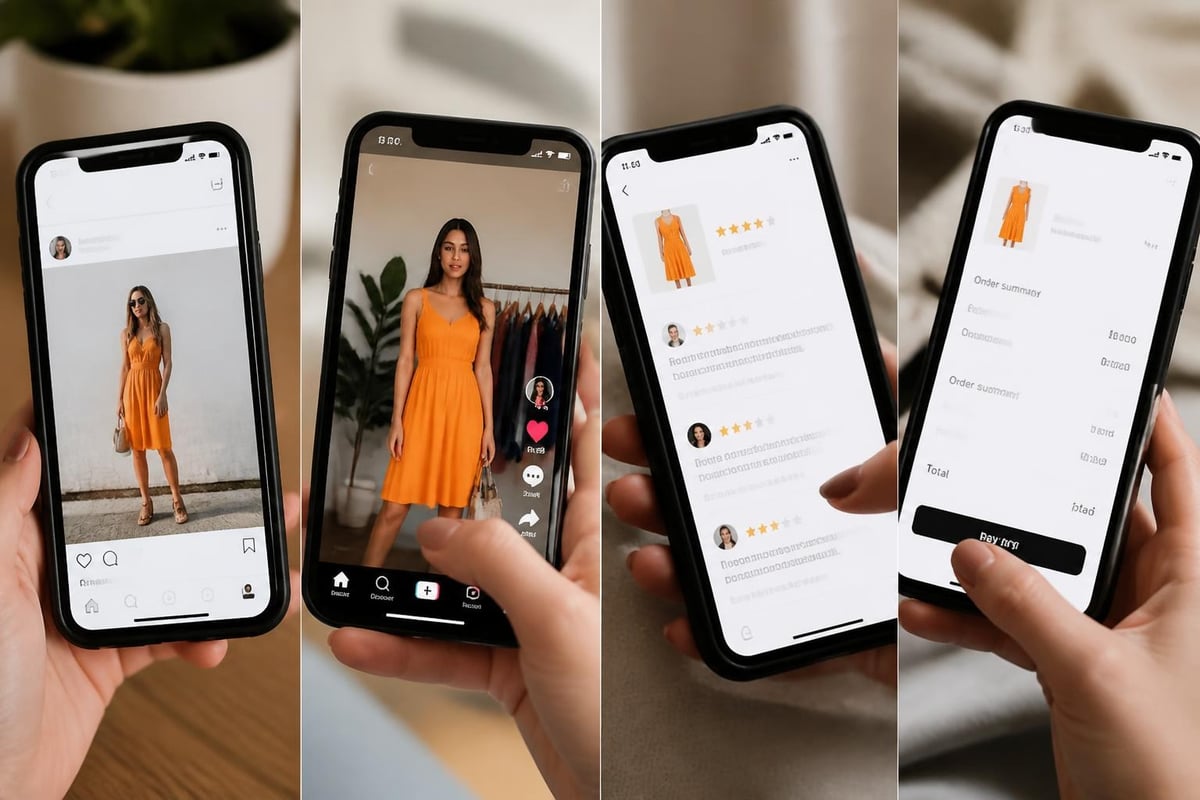
Social media platforms have evolved from marketing channels into full-fledged shopping destinations. Instagram Shopping, Facebook Marketplace, TikTok Shop, and Pinterest Catalogs enable direct purchases without leaving the app.
This convergence of social interaction and commerce creates unique opportunities for retail digital marketing. Shoppers discover products organically through their feeds, influencer posts, and targeted ads, then complete purchases with minimal friction.
Creating High-Converting Social Content
- User-generated content campaigns: Encourage customers to share photos with products
- Live shopping events: Host real-time product demonstrations and Q&A sessions
- Shoppable posts: Tag products directly in images and videos
- Influencer collaborations: Partner with micro-influencers in your niche
- Story ads: Use ephemeral content to create urgency
For retailers offering specialized products, platform selection matters. DJ equipment might perform exceptionally well on YouTube with tutorial content, while strollers gain traction on parenting-focused Facebook groups and Pinterest boards.
Email Marketing That Converts
Despite predictions of its demise, email remains one of the highest-ROI channels in retail digital marketing. The key is moving beyond batch-and-blast approaches to sophisticated, behavior-triggered campaigns.
High-performing email types for retailers:
- Welcome series: Introduce new subscribers to your brand story and best sellers
- Abandoned cart recovery: Remind shoppers of items left behind with incentives
- Browse abandonment: Follow up when visitors view products without purchasing
- Post-purchase sequences: Build relationships with thank-you messages, usage tips, and cross-sell suggestions
- Re-engagement campaigns: Win back inactive customers with special offers
- Seasonal promotions: Align with holidays, events, and shopping seasons
| Email Type | Average Open Rate | Average Click Rate | Conversion Impact |
|---|---|---|---|
| Welcome Series | 50-60% | 15-20% | Very High |
| Abandoned Cart | 40-45% | 10-15% | High |
| Post-Purchase | 35-40% | 8-12% | Medium (for repeat purchase) |
| Promotional | 15-25% | 2-5% | Medium |
| Re-engagement | 10-15% | 2-4% | Low to Medium |
Segmentation elevates email effectiveness. Rather than sending identical promotions to all subscribers, segment by purchase history, browsing behavior, demographics, and engagement level. A customer who recently purchased a high-end mixer has different needs than someone browsing entry-level models.
Optimizing for Search: SEO and Paid Search Strategies
Visibility in search results remains fundamental to retail digital marketing success. Shoppers increasingly begin their purchase journeys with search engines, making both organic rankings and paid placement critical.
SEO Fundamentals for Online Retailers
Technical optimization:
- Fast page load speeds (under 3 seconds)
- Mobile-responsive design
- Secure HTTPS protocol
- Structured data markup for products
- XML sitemaps for easy crawling
On-page optimization:
- Unique, descriptive product titles
- Detailed product descriptions with specifications
- High-quality product images with alt text
- Customer reviews and ratings
- Category pages optimized for broader terms
Content marketing:
- Buying guides for product categories
- Comparison articles between models
- How-to tutorials and tips
- Industry news and trends
- FAQ pages addressing common questions
For a retailer with a diverse product catalog, creating category-specific content hubs drives both traffic and expertise. A comprehensive guide to choosing kitchen appliances or selecting the right DJ controller serves searchers while positioning your brand as authoritative.
Paid Search Best Practices
Google Shopping campaigns prove particularly effective for retailers, showcasing products with images, prices, and ratings directly in search results. Success requires:
- High-quality product feeds with complete, accurate information
- Competitive pricing or unique value propositions
- Strategic bidding focusing on high-intent keywords
- Negative keywords to avoid wasted spend
- Ad schedule optimization based on conversion patterns
Building Customer Loyalty Through Retention Marketing
Acquiring new customers costs five to seven times more than retaining existing ones, making retention a critical focus for profitable retail digital marketing. According to research on AI opportunities for retailers, personalized engagement and loyalty programs rank among executives' top priorities.
Retention Tactics That Work
Loyalty program structures:
- Points-based: Earn points on purchases, redeemable for discounts
- Tiered: Unlock increasing benefits at higher spending levels
- Paid membership: Premium benefits for subscription fee (free shipping, exclusive deals)
- Experiential: Access to events, early product launches, special content
Engagement strategies:
- Birthday and anniversary offers
- Exclusive previews for loyal customers
- VIP customer service channels
- Personalized product recommendations
- Community building through forums or social groups
Retention marketing extends beyond discounts. Educational content that helps customers maximize their purchases-setup guides, maintenance tips, creative applications-builds ongoing relationships. Someone who bought DJ equipment appreciates mixing tutorials; stroller purchasers value parenting tips and local family activity suggestions.

Mobile-First Marketing Imperatives
Mobile devices now account for the majority of retail website traffic and a growing share of transactions. Retail digital marketing strategies must prioritize mobile experiences or risk losing customers to more nimble competitors.
Mobile optimization essentials:
- Responsive design that adapts seamlessly to screen sizes
- Simplified checkout processes (one-page or express options)
- Mobile wallet integration (Apple Pay, Google Pay)
- Thumb-friendly navigation and button placement
- Fast loading even on slower connections
- Click-to-call for customer service
SMS marketing has resurged as a powerful retention channel, with open rates exceeding 90%. Time-sensitive promotions, shipping updates, and restock alerts work particularly well via text. However, frequency matters-too many messages drive unsubscribes.
Progressive Web Apps and Native Apps
For retailers with sufficient traffic volume, dedicated mobile apps or progressive web apps (PWAs) offer advantages:
- Push notification capabilities
- Offline browsing of products
- Enhanced personalization
- Faster performance
- Home screen presence
The investment makes sense when you have an engaged customer base likely to download and regularly use the app. Otherwise, focus resources on optimizing the mobile web experience.
Measuring Success: Analytics and Attribution
Effective retail digital marketing requires rigorous measurement and continuous optimization. With multiple channels and touchpoints influencing purchases, proper attribution models help allocate budget efficiently.
Key Performance Indicators by Channel
| Channel | Primary KPIs | Secondary KPIs |
|---|---|---|
| SEO | Organic traffic, ranking positions | Click-through rate, bounce rate |
| Paid Search | ROAS, conversion rate | CPC, quality score |
| Open rate, click rate, revenue per email | List growth, unsubscribe rate | |
| Social Media | Engagement rate, reach | Follower growth, share of voice |
| Display Advertising | Viewability, CTR | Brand lift, assisted conversions |
Attribution model options:
- Last-click: Credits the final touchpoint before purchase
- First-click: Credits initial interaction
- Linear: Distributes credit equally across all touchpoints
- Time-decay: Gives more credit to recent interactions
- Position-based: Emphasizes first and last touchpoints
- Data-driven: Uses machine learning to assign credit
Most mature retail digital marketing programs use multi-touch attribution or data-driven models, recognizing that customers typically interact with brands across multiple channels before purchasing. Someone might discover your brand through Instagram, research products via organic search, receive an email promotion, and finally convert through a retargeting ad.
Content Marketing That Drives Retail Success
Strategic content creation attracts potential customers early in their journey, builds trust, and establishes expertise. Unlike direct promotional content, valuable informational content ranks well in search engines and gets shared across social platforms.
High-performing content types for retailers:
- Comprehensive buying guides for product categories
- Product comparison articles and reviews
- Tutorial videos and how-to content
- Industry trend reports and insights
- Customer success stories and case studies
- Expert interviews and thought leadership
When creating content around diverse product categories, focus on solving customer problems rather than simply describing features. A guide to "Essential Features for First-Time DJ Controllers" attracts aspiring DJs earlier in their journey than a simple product listing.
Content distribution strategies:
- On-site blog optimized for search
- YouTube channel for video tutorials
- LinkedIn for B2B content and thought leadership
- Pinterest for visual product inspiration
- Email newsletter featuring best content
- Guest posting on industry publications
- Podcast sponsorships or hosting
Emerging Trends Shaping Retail Digital Marketing
Staying ahead of trends provides competitive advantages as consumer behaviors and technologies evolve. Several developments are reshaping how retailers connect with customers.
Voice Commerce and Smart Assistants
Voice-activated shopping through Alexa, Google Assistant, and Siri continues growing, particularly for reorders and routine purchases. Optimizing for voice search requires focusing on conversational, question-based queries and featured snippet positions.
Augmented Reality Experiences
AR enables customers to visualize products in their environments before purchasing. Furniture retailers pioneered this approach, but applications extend to kitchen appliances (seeing how a mixer fits on your counter) and even testing DJ equipment setups virtually.
Sustainability and Values-Based Marketing
Consumers increasingly factor environmental and social values into purchasing decisions. Transparent communication about sustainable practices, ethical sourcing, and corporate responsibility strengthens brand loyalty, particularly with younger demographics.
Privacy-First Marketing
With cookie deprecation and stricter privacy regulations, retail digital marketing is shifting toward first-party data strategies. Building direct customer relationships through email lists, loyalty programs, and owned platforms becomes increasingly valuable.
First-party data collection methods:
- Account creation incentives
- Preference centers where customers share interests
- Progressive profiling through forms
- Purchase history analysis
- Engagement tracking on owned properties
- Survey and feedback requests
Modern retail digital marketing demands sophisticated, multi-channel strategies that prioritize customer experience and data-driven personalization. Success comes from testing continuously, measuring rigorously, and adapting quickly to changing consumer behaviors and technological capabilities. Whether you're looking for DJ equipment, kitchen essentials, or family products, Feedht.com combines extensive product selection with special promotions and free shipping options that make online shopping both convenient and affordable.





Our Store :
237 E 12th St,New York,
NY 10003, United States.
Admin@Feedht.com
Copyright 2025 © All right reserved. Powered by FEEDHT.COM.
